Sports Knee Injury Treatment in Bhopal – Dr. Mayank Sharma
Sports knee injuries can affect mobility, athletic performance, and everyday activities. Whether you play cricket, football, badminton, or run regularly, knee pain can interrupt your routine. Therefore, timely diagnosis and appropriate treatment are essential for recovery. If you are looking for sports knee injury treatment in Bhopal, Dr. Mayank Sharma is a consultation option for evaluating knee injuries and discussing suitable treatment options.
The knee joint supports your body weight and enables essential movements. However, sudden twists, direct impacts, and repetitive stress can damage its structures. Understanding common injuries and their symptoms can help you seek medical attention promptly.
What Are Sports Knee Injuries?
Sports knee injuries occur when physical activity damages the bones, ligaments, tendons, cartilage, or other structures around the knee. These injuries can develop suddenly or gradually through repetitive movements.
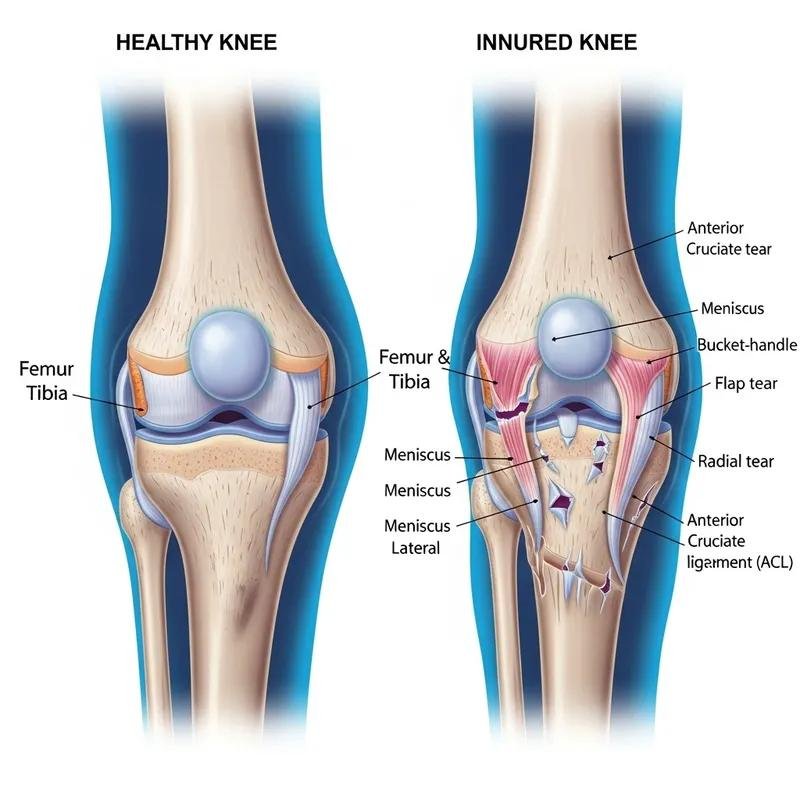
Common sports-related knee injuries include anterior cruciate ligament (ACL) tears, meniscus tears, ligament sprains, and patellar tendon injuries. Additionally, overuse can cause conditions such as runner’s knee.
Athletes often experience these problems during jumping, landing, sudden turns, and rapid changes in direction. Consequently, recognising symptoms early can help prevent further damage.
Common Symptoms of a Sports Knee Injury
Knee injury symptoms vary depending on the affected structure and the severity of the damage. However, several warning signs require attention.
Pain during walking, running, or jumping
Swelling around the knee joint
Difficulty bending or straightening the knee
A feeling of instability while standing
Clicking or locking sensations
Reduced range of motion
Difficulty bearing weight after an injury
Furthermore, some injuries cause immediate swelling and severe pain. Others develop gradually after repeated training sessions.
Seek urgent medical assessment if you cannot bear weight, experience significant swelling, or notice knee deformity. A hot, red knee accompanied by fever also requires prompt medical evaluation.
When Should You Consult a Sports Knee Injury Specialist in Bhopal?
Mild discomfort may improve with appropriate rest and activity modification. Nevertheless, persistent pain or instability should not be ignored.
Consult an orthopaedic specialist if your knee repeatedly gives way or locks during movement. Similarly, seek an evaluation when swelling persists or normal activities become difficult.
A doctor may examine your knee stability, movement, tenderness, and injury history. Depending on the findings, they may recommend X-rays or an MRI scan.
Therefore, an accurate diagnosis helps determine the most appropriate treatment plan.
Sports Knee Injury Treatment in Bhopal
Treatment depends on the injury type, severity, activity level, and recovery goals. Fortunately, many sports knee injuries improve with non-surgical treatment.
1. Rest and Initial Care
Initially, stop activities that increase pain and swelling. Applying an ice pack wrapped in a towel may help reduce discomfort.
Additionally, compression and elevation may help manage swelling when appropriate. Avoid applying ice directly to your skin.
However, severe injuries require medical evaluation rather than home treatment alone.
2. Medication and Pain Management
A doctor may recommend suitable medication to manage pain and inflammation. The choice depends on your symptoms, medical history, and individual needs.
Avoid self-medicating or returning to sports simply because pain temporarily decreases.
3. Physiotherapy and Rehabilitation
Physiotherapy plays an important role in sports injury recovery. A personalised programme can improve knee strength, flexibility, balance, and joint stability.
Moreover, rehabilitation helps athletes rebuild movement control and prepare for sports-specific activities. Follow your physiotherapist’s instructions and increase exercise intensity gradually.
4. Surgical Treatment
Some serious injuries, including certain ACL tears and complex meniscus injuries, may require surgery. However, surgery is not necessary for every sports knee injury.
Your doctor will consider knee stability, damage severity, activity requirements, and response to conservative treatment. If surgery becomes appropriate, rehabilitation remains essential for recovery.
Why Consider Dr. Mayank Sharma for Knee Injury Consultation?
Choosing an appropriate medical professional is an important step towards recovering from a sports knee injury. Dr. Mayank Sharma is a consultation option for individuals seeking knee injury assessment in Bhopal.
During your appointment, explain how the injury occurred and which movements cause discomfort. Also, mention any previous injuries, swelling, or instability.
This information can help guide the clinical evaluation and discussion of treatment options. Before booking, confirm the doctor’s qualifications, relevant orthopaedic experience, clinic location, and available services.
Tips to Prevent Sports Knee Injuries
Although not every injury is preventable, certain precautions can reduce avoidable risks.
Warm up before training or playing sports.
Strengthen your quadriceps, hamstrings, and hip muscles.
Use appropriate footwear for your activity.
Practise safe landing and turning techniques.
Increase training intensity gradually.
Allow adequate recovery between demanding sessions.
Avoid playing through significant pain or instability.
Additionally, return to sports only when your healthcare professional considers it appropriate.
Consult for Sports Knee Injury Treatment in Bhopal
Sports knee injuries can interfere with fitness, performance, and everyday mobility. Therefore, early assessment is important when pain, swelling, or instability develops.
If you need sports knee injury treatment in Bhopal, consider consulting Dr. Mayank Sharma to discuss your symptoms and potential treatment options. A suitable treatment plan can address the injury and guide your rehabilitation.
Do not ignore persistent knee pain or instability. Timely medical care and a structured recovery programme can help you work towards safer movement and a gradual return to sports.