Dislocating a shoulder can feel like the world tilts sideways: sudden pain, a visible deformity, and the urgent question of how long until life returns to normal. This guide walks you through a realistic, week-by-week recovery plan so you know what to expect from the first emergency minutes to returning to sport or heavy lifting. I’ll cover both non-surgical and surgical paths, common complications, rehabilitation milestones, and tips to speed safe recovery without false promises.
Understanding what happened: types of shoulder dislocation
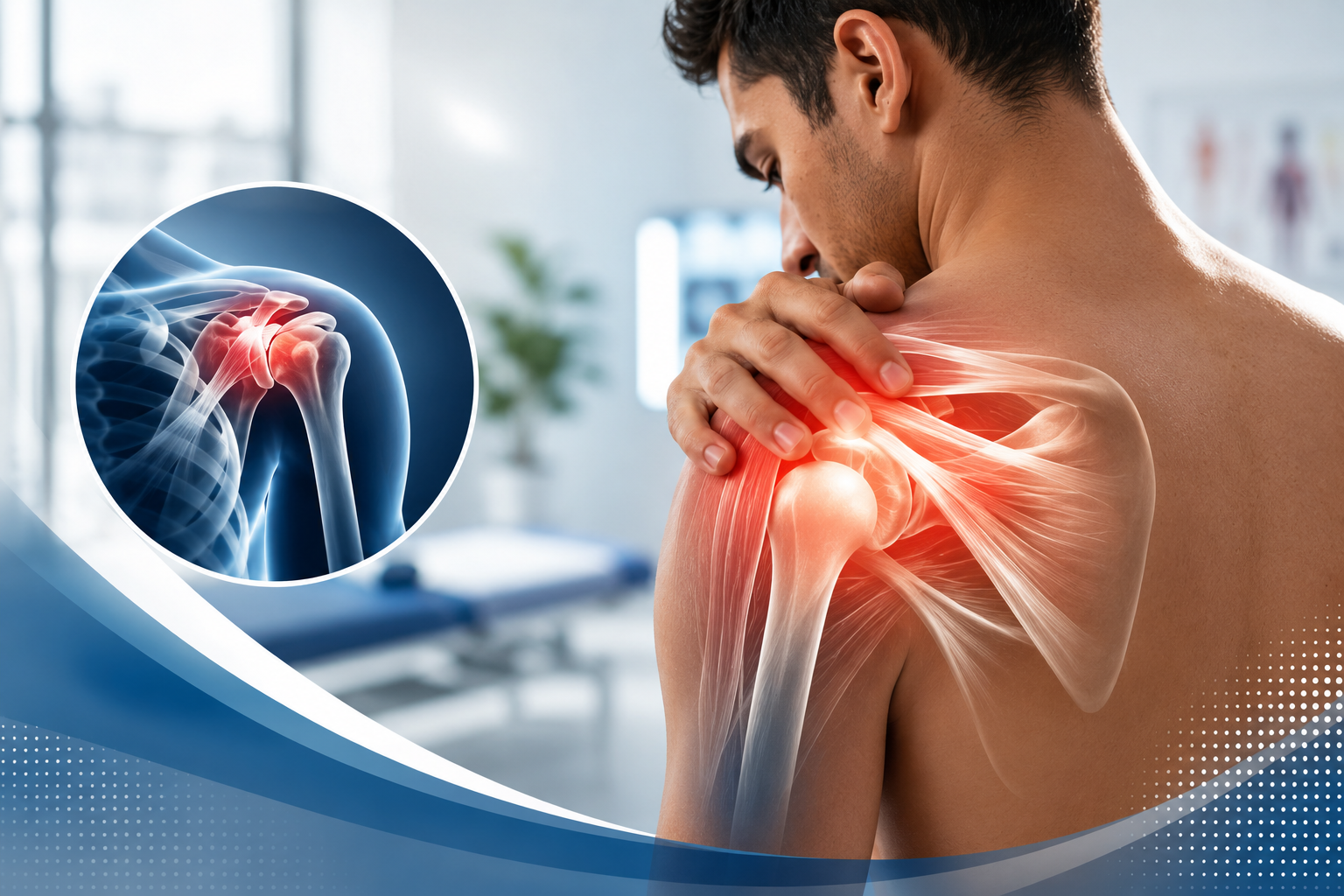
The shoulder is inherently mobile, trading stability for range of motion, and that’s why it’s the most commonly dislocated major joint. A dislocation occurs when the humeral head pops out of the glenoid socket; the most frequent direction is anterior (front), but posterior and inferior dislocations happen too and change treatment plans.
Associated injuries—like fractured bones, torn labrum, or nerve damage—shape the recovery timeline. A simple dislocation with no other damage has a different prognosis than one with a Bankart lesion or a fracture that requires fixation. That variation is why “how long is shoulder dislocation recovery time?” never has a single number attached to it.
Immediate care and the first 48–72 hours
Immediate treatment time is about two things: safe reduction (putting the joint back in place) and controlling pain and swelling. Emergency clinicians will usually perform a reduction maneuver in the ED under light sedation or local blocks, then confirm alignment with X-rays. That initial shoulder dislocation treatment time is often brief but critical.
After reduction the arm is typically supported in a sling. Ice, elevation, and short courses of anti-inflammatory medication or opioids for severe pain help during those first days. Immobilization periods vary by injury type and patient factors, and they set the stage for shoulder dislocation rehab time that follows.
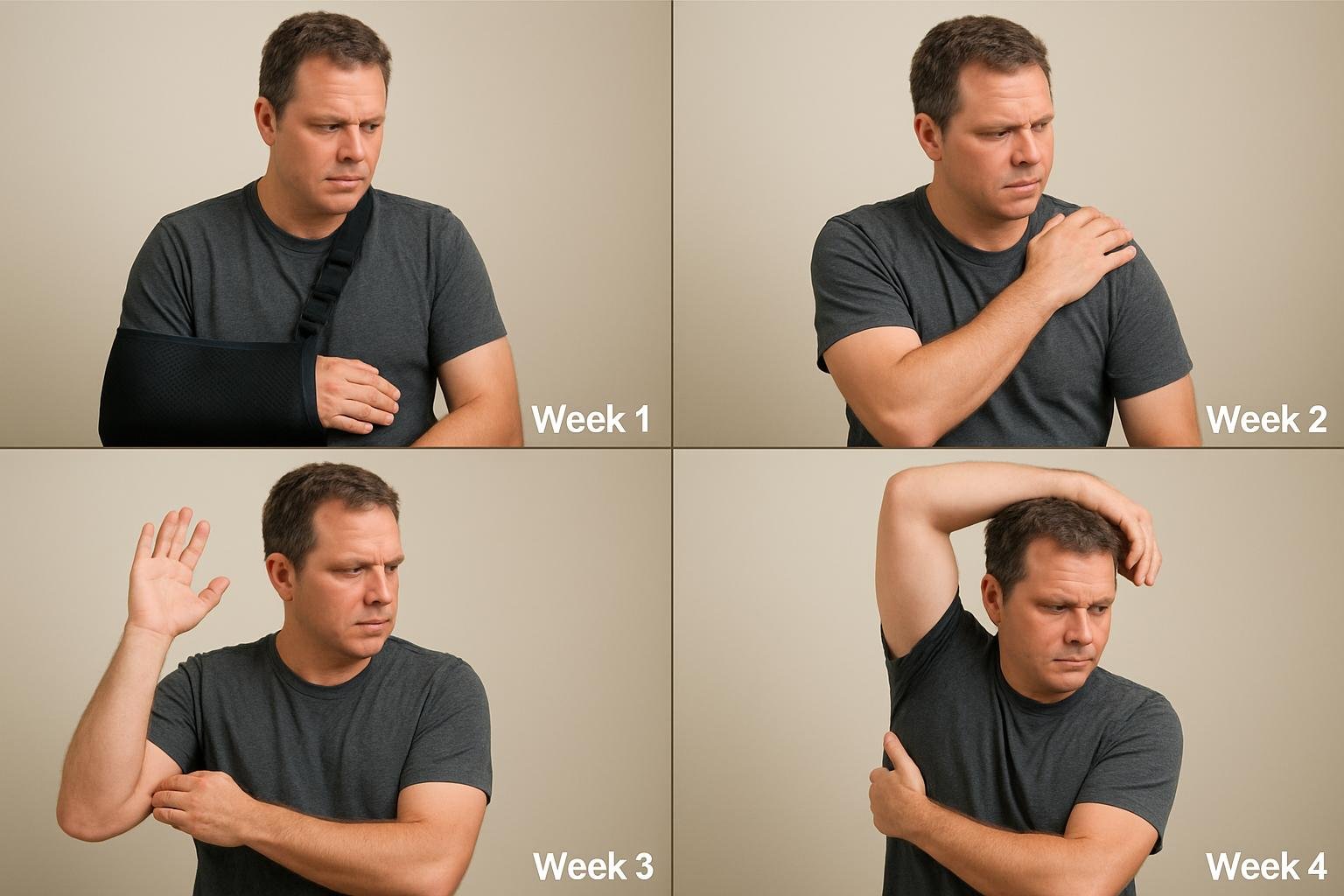
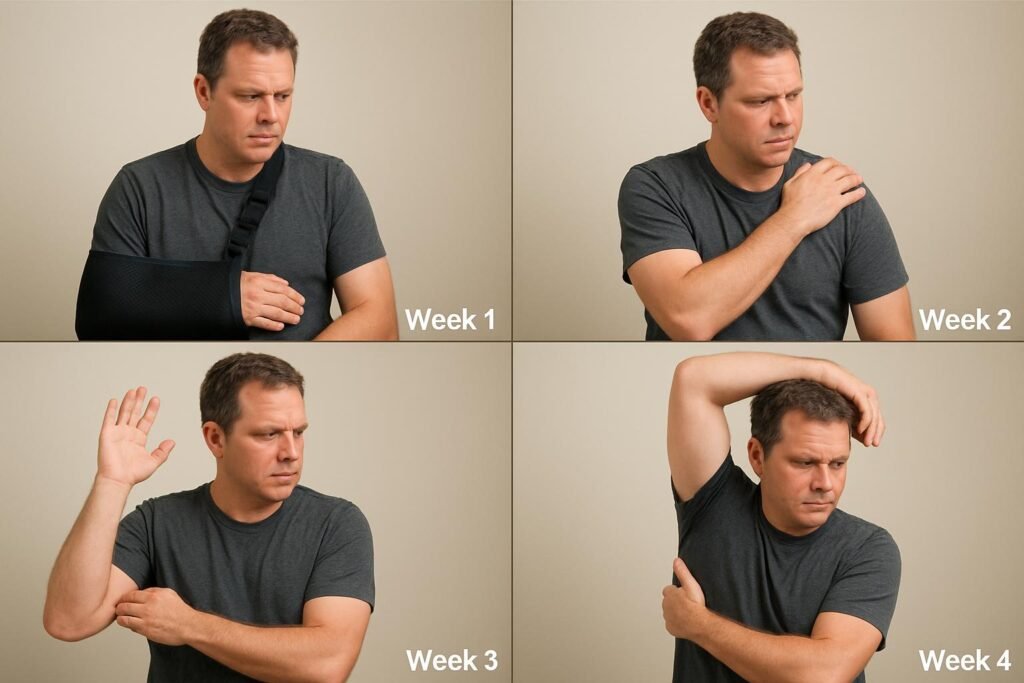
Week 1: protection, pain control, and learning to move safely
The first week focuses on protecting the repair—either the joint itself after reduction or a surgical repair if that was performed. Pain is often worst in days 1–3 and then starts to ease; consistent but gentle immobilization helps the body form early scar tissue to limit repeat instability.
Physical therapy may begin within the first week for supervised gentle pendulum and passive range-of-motion exercises. These movements prevent stiffness without stressing the healing tissues, and they mark the beginning of what will become a structured rehab plan.
Weeks 2–4: restoring gentle range of motion
During weeks 2–4 the goal is to regain safe, pain-free passive and then active-assisted range of motion. Therapists will guide you through controlled movements to restore shoulder elevation, external rotation to a prescribed limit, and basic scapular control exercises to correct compensations.
For many nonoperative cases, this is the longest stretch of gradual improvement—pain diminishes, sleep improves, and basic daily tasks become easier. If surgery was performed, these early movements are more constrained and follow surgical protocols to protect repair integrity.
Weeks 4–6: progressing active motion and beginning strength work
By weeks 4–6 most patients move from passive to active range-of-motion exercises and start gentle strengthening. Isometric contractions—pushing without moving the joint—are introduced to build muscle tone without stressing the repaired structures. This phase shortens immobilization-related weakness and supports joint centering.
Return-to-driving decisions and light activity depend on pain, range of motion, and whether the sling is still required. Always follow your surgeon’s or therapist’s specific limits; forcing motion early is a common cause of setbacks in shoulder dislocation rehab time.
Weeks 6–12: building strength and function
The 6–12 week window is where rehabilitation becomes more active and functional. Progressive resistance exercises add bands, light weights, and compound movements focused on the rotator cuff, deltoid, and scapular stabilizers. Therapists will emphasize movement quality—scapular rhythm and avoiding substitution patterns that hide weakness.
Work and sport restrictions start to loosen during this period, but return to contact sports or heavy overhead work usually waits until the three-month mark or later. For many people this phase feels like the most rewarding: motion feels natural again and strength steadily climbs.
Months 3–6: advanced strengthening and return to sport/work
Between three and six months the shoulder should demonstrate solid strength, controlled stability, and endurance for daily activities and job-specific tasks. Sport-specific training—throwing progressions for athletes, overhead lifting patterns for weightlifters—begins if testing shows safe mechanics and sufficient strength.
Shoulder dislocation recovery time after surgery typically falls in this window for non-contact activities, but full clearance for collision sports or heavy manual labor often takes longer. The body continues remodeling scar tissue, and strength gains translate into confidence and reduced re-injury risk.
Months 6–12: fine-tuning, reducing recurrence risk, and long-term conditioning
By six months most patients who followed their rehabilitation plan reach a functional baseline close to pre-injury ability. Continued conditioning improves endurance and helps the shoulder tolerate higher loads. If instability symptoms persist, further evaluation is warranted; persistent laxity beyond this period may indicate the need for revision surgery.
Some people require up to a year to feel fully back to their old selves, particularly athletes and manual laborers. Patience here pays off: adequate time spent in progressive loading reduces the likelihood of repeat dislocation down the road.
Non-surgical recovery: what to expect and typical timelines
For first-time, simple dislocations without significant associated injuries, the nonoperative pathway is common and effective. Sling immobilization is often used for a short period followed by a structured physical therapy program to restore movement, strength, and proprioception.
Typical shoulder dislocation recovery time without surgery runs roughly 6–12 weeks for return to most activities and up to 6 months for higher-demand sports or heavy labor. Individual outcomes vary based on age, tissue quality, and the presence of associated damage like labral tears.
Surgical recovery: differences and expected duration
When instability is recurrent, or imaging shows structural damage that won’t heal on its own, surgery is usually recommended. Procedures such as arthroscopic Bankart repair or open stabilization restore damaged labrum and tighten the capsule. Surgical shoulder dislocation recovery time after surgery requires more protection early on to allow the repaired tissues to heal.
Expect a longer immobilization and a slower ramp-up in motion compared with nonoperative care. Return to light activity commonly occurs around 8–12 weeks, with return to contact sports and high-demand tasks often delayed until 4–6 months or longer, depending on healing and strength testing.
Rehab milestones: what therapists watch for
Therapists track specific functional and objective milestones: pain control, passive and active range of motion, scapular control, rotator cuff strength, and proprioception. Each milestone unlocks the next phase of exercise, preventing premature progression that could risk re-injury.
Examples include achieving near-symmetric passive external rotation before beginning resisted external rotation, or demonstrating 70–80% strength symmetry before starting sport-specific throwing programs. These staged advances keep rehabilitation measurable and safe.
Sample week-by-week timeline table
| Timeframe | Main goals | Typical activities |
|---|---|---|
| 0–2 weeks | Pain control, safe immobilization | Reduction, sling, ice, passive pendulum |
| 2–4 weeks | Passive → active-assisted ROM | Gentle PT, basic ADLs |
| 4–6 weeks | Active motion, start isometrics | Light strengthening, increased independence |
| 6–12 weeks | Progressive strengthening, functional tasks | Resistance bands, light weights |
| 3–6 months | Sport/work-specific conditioning | Advanced strength, plyometrics, return to sport |
| 6–12 months | Full functional recovery, reduce recurrence risk | High-level sport, heavy labor |
Factors that change recovery time
Several variables influence shoulder dislocation treatment time and rehab progression. Age, tissue quality, whether it’s a first-time versus recurrent dislocation, presence of fractures or nerve injury, and patient compliance with therapy all play roles in how quickly and fully someone recovers.
For example, a young athlete with recurrent dislocations and a torn labrum often needs surgery and a longer rehab path than a middle-aged person with a single, uncomplicated anterior dislocation. Understanding these variables helps set realistic, personalized expectations.
Recovery in older adults: special considerations
Shoulder dislocation recovery time elderly patients often differs because tissue quality declines and concurrent conditions like osteoporosis or rotator cuff degeneration are more common. Older adults may experience more stiffness, slower healing, or higher risk of associated fractures.
Conservative care is sometimes favored to avoid surgical risks, but if instability or functional limitation persists, surgery may still be appropriate with modified protocols. Rehabilitation emphasizes safe progression, fall prevention, and restoring independence for daily activities.
Pain management strategies that really work
Pain control combines medication, physical modalities, and smart activity modification. Short courses of NSAIDs, acetaminophen, or prescribed opioids for severe pain should be paired with ice, elevation, and gentle range-of-motion work to avoid stiffness that complicates recovery.
As pain subsides, shifting focus to active movement and strengthening will reduce reliance on meds. Mindful pacing—doing enough to stimulate progress but not so much as to provoke inflammation—is essential for efficient shoulder dislocation rehab time.
Common complications and warning signs
Complications include recurrent instability, stiffness (adhesive capsulitis), nerve injury, and post-traumatic arthritis. Recurrent dislocations are most frequent in younger, active populations and can require surgical stabilization if they impact function or safety.
Seek prompt follow-up for severe or worsening pain, numbness, weakness, fever, or visible deformity—these signs could indicate nerve injury, infection after surgery, or incomplete reduction that needs urgent attention. Early detection preserves better long-term function.
Exercise progressions: safe building blocks
Rehab typically follows clear progressions: pendulum and passive motion, active-assisted exercises, active motion, isometrics, light resisted work, and finally advanced strengthening and sport-specific drills. Each stage focuses on restoring mechanics and building tolerance for load.
Below is a short list of common exercises used across phases; therapists tailor the sets, repetitions, and resistance to individual needs:
- Pendulum swings and gentle passive elevation
- Active-assisted shoulder flexion and external rotation
- Isometric holds in neutral and external rotation
- Theraband internal/external rotation progressions
- Scapular squeezes and rows for posterior chain strengthening
Returning to sports: testing readiness, not calendar dates
Return-to-play decisions should be based on objective testing and functional milestones rather than a fixed number of weeks. Criteria include symmetric strength (often 90% or greater compared to the uninjured side), pain-free sport-specific movements, and demonstrated dynamic stability under fatigue.
For throwers, gradual throwing programs start with short distances and limited intensity and expand over weeks while monitoring pain, control, and maintenance of mechanics. Contact athletes require even more cautious progression to reduce recurrence risk.
Work and daily activities: practical timelines
Desk jobs and light duties can often resume within 1–3 weeks if pain permits and sling use is feasible for travel. Manual labor, lifting, overhead tasks, and repetitive overhead athletes typically face longer restrictions—often 8–12 weeks for light duty and several months for full-duty return.
Occupational therapists can help adapt tasks or provide temporary workplace modifications. Gradual reintroduction with objective lifting tests and ergonomic adjustments protects the shoulder while maintaining productivity.
When surgery becomes more likely
Surgery is considered after recurrent dislocations, persistent instability with high functional demands, or when imaging reveals a structural lesion unlikely to heal with immobilization and therapy. Young athletes, particularly those in contact sports, are more likely to be recommended for early stabilization to avoid repeated trauma.
The type of procedure—arthroscopic versus open, labral repair versus bone-block procedures—depends on the injury pattern. Each choice has implications for the shoulder dislocation recovery time after surgery and the specific rehab protocol to follow.
How to speed recovery safely—practical tips
Consistency beats intensity early in recovery. Follow prescribed ranges and exercise frequency, keep up with home exercises, manage pain proactively, and attend follow-up appointments. Smoking cessation and good nutrition—adequate protein and vitamin D—support tissue healing.
Sleep and stress management also matter; poor sleep slows recovery and makes pain feel worse. Small daily steps, repeated reliably, add up to steady progress without jeopardizing the repair.
Role of imaging and follow-up
X-rays and MRIs play roles at different stages: X-rays confirm reduction and detect fractures after the initial injury, while MRI provides detailed views of soft tissue damage. Follow-up imaging may be used when progress stalls or when planning surgery.
Regular clinical follow-up helps ensure motion and strength milestones are met and allows timely adjustments to the rehab plan. Good communication between surgeon, therapist, and patient is one of the strongest predictors of a smooth recovery.
Real-life example: a non-surgical recovery story
I once treated a 42-year-old gardener who slipped on wet pavement and sustained an anterior shoulder dislocation. After reduction and brief sling immobilization, he began therapy at two weeks and followed a strict exercise plan focused on scapular control and progressive loading.
By 10 weeks he was back to light gardening without pain, and by five months he returned to full duties with no recurring instability. His consistency with home exercises and attention to body mechanics made the biggest difference in his shoulder dislocation treatment time.
Real-life example: a surgical recovery story
A college rugby player I worked with dislocated his shoulder three times in a season. Imaging showed a Bankart lesion, and he elected arthroscopic repair. Post-op protocols kept him protected longer, and his rehab emphasized controlled range of motion followed by progressive strengthening.
He returned to contact practice at six months and full competition at nine, after passing objective strength and functional tests. The surgical route restored stability but required discipline and patience during the longer recovery timeline.
Frequently asked questions about recovery
How long does a shoulder stay sore after reduction? Pain usually declines over days to weeks but can persist intermittently for several months, especially with high activity. Short-term pain control combined with early mobility helps prevent chronic stiffness.
Will my shoulder be as strong as before? Most people regain near-normal strength with proper rehab, but return to pre-injury sport levels depends on the extent of original damage, age, and how faithfully the rehab program is followed. Some athletes need additional conditioning to match pre-injury performance.
When to seek additional medical opinion
If pain worsens despite treatment, if recurrent giving way or apprehension occurs, or if nerve symptoms (numbness/tingling/weakness) persist, seek prompt re-evaluation. These signs may indicate incomplete healing, hardware problems after surgery, or untreated associated injuries that require further intervention.
Second opinions are reasonable when expected progress stalls or when surgery is proposed but you feel unsure. A clear explanation of risks, expected recovery time, and alternatives should accompany any recommendation for operative care.
Long-term outlook and prevention of repeat dislocations
With proper treatment and rehab, many people regain stable, functional shoulders and return to their prior activity levels. Preventing recurrence focuses on strengthening rotator cuff and scapular stabilizers, avoiding risky positions initially, and addressing biomechanical deficits that contributed to the injury.
For high-risk individuals—young contact athletes or those with significant bone loss—surgical stabilization may provide the best chance to avoid repeat dislocations and long-term dysfunction.
Tools and aids that help during recovery
Useful aids include a comfortable sling that allows intermittent removal for therapy, ice packs, a durable theraband set for progressive resistance, and apps or calendars to track home exercise compliance. A log that records pain levels, range-of-motion progress, and exercises completed helps therapists tailor programs and keeps patients engaged.
Adaptive equipment—reacher tools, one-handed kitchen aids—can help maintain independence during early recovery without stressing the healing shoulder. Occupational therapists are a great resource for practical modifications at home and work.
How prognosis differs by age and activity level
Younger, active people face a higher risk of recurrent dislocation but often have better tissue healing capacity and respond well to surgical stabilization when needed. Older adults may have a lower recurrence risk but higher rates of stiffness and associated rotator cuff injuries that complicate recovery.
Activity goals shape the plan: a weekend golfer and a professional pitcher will follow very different rehab timelines and return-to-play criteria. Setting realistic, individualized goals from the start keeps expectations aligned with likely outcomes.
Summary timeline and final thoughts
In short: initial protection and pain control dominate the first two weeks, range-of-motion progress happens over weeks 2–6, and strength and function rebuild between weeks 6 and 12. Return to high-demand activities commonly takes 3–6 months, and some people require up to a year to feel fully back to normal.
Whether your path is conservative or surgical, consistent rehabilitation, realistic expectations, and careful progression are the keys to a good result. Track milestones rather than the calendar, listen to your medical team, and prioritize long-term shoulder health over short-term gains.